Helping Your Child Thrive in Their First School Experience
The transition to pre-kindergarten is a monumental milestone for both children and parents. It’s a time filled with excitement, curiosity, and, for some, a bit of anxiety. As your little one steps into this new world of learning and socialization, they’ll need your support to navigate the changes confidently. At KIDazzle Child Care, we understand how important this transition is, and we’re here to guide you through the process. This comprehensive guide will walk you through everything you need to know to ensure your child’s transition to pre-K is smooth, positive, and successful.
Why the Transition to Pre-K Matters
Pre-K is more than just a stepping stone to kindergarten—it’s a foundational experience that shapes your child’s academic, social, and emotional development. During this time, children learn essential skills like:
- Socialization: Interacting with peers, sharing, and taking turns.
- Independence: Developing self-help skills like dressing, eating, and using the bathroom.
- Cognitive Growth: Exploring early literacy, math, and problem-solving.
- Emotional Regulation: Managing feelings and building resilience.
A positive transition to pre-K sets the tone for your child’s future educational experiences, making it crucial to approach this milestone thoughtfully.
Preparing Your Child for Pre-K: A Step-by-Step Guide
1. Start Early with Conversations About School
Introduce the idea of pre-K well before the first day. Use positive language to describe what they’ll do, such as making new friends, playing games, and learning exciting things. Reading books about starting school can also help them visualize the experience.
Recommended Books:
– The Kissing Hand by Audrey Penn
– Llama Llama Misses Mama by Anna Dewdney
– First Day Jitters by Julie Danneberg
2. Visit the School Together
Familiarity breeds comfort. If possible, visit the pre-K classroom with your child before their first day. Let them explore the environment, meet their teacher, and see where they’ll play and learn. This can ease anxiety and build excitement.
3. Establish a Consistent Routine
Pre-K often comes with a structured schedule. Start practicing a similar routine at home, including consistent wake-up times, meals, and bedtime. This will help your child adjust to the school day rhythm.
4. Practice Self-Help Skills
Encourage your child to practice tasks they’ll need to do independently at school, such as:
– Putting on and taking off their coat.
– Using the bathroom and washing their hands.
– Opening lunch containers and using utensils.
5. Foster Social Skills
Help your child develop the social skills they’ll need to interact with peers. Arrange playdates, teach them how to share, and role-play scenarios like introducing themselves or asking to join a game.
6. Label and Organize Belongings
Label your child’s backpack, lunchbox, and clothing to help them keep track of their belongings. This also fosters a sense of responsibility.
Handling Separation Anxiety: Tips for Parents and Kids
Separation anxiety is a common challenge during the transition to pre-K. Here’s how to manage it:
For Parents:
- Stay Positive: Your child can pick up on your emotions. If you’re calm and confident, they’ll feel more secure.
- Create a Goodbye Ritual: A special handshake, hug, or phrase can make saying goodbye easier.
- Keep Goodbyes Brief: Prolonged goodbyes can increase anxiety. Reassure your child that you’ll be back soon and leave promptly.
For Kids:
- Comfort Items: Allow your child to bring a small comfort item, like a stuffed animal or family photo.
- Talk About Feelings: Validate their emotions and reassure them that it’s okay to feel nervous.
- Practice Separation: Gradually increase the time you spend apart to help them get used to being away from you.
Supporting Your Child’s Learning at Home
Pre-K is a time of rapid growth, and you can reinforce what your child learns at school with activities at home:
Literacy Skills
- Read together daily and ask questions about the story.
- Practice identifying letters and their sounds.
- Encourage drawing and writing to develop fine motor skills.
Math Skills
- Count objects during everyday activities, like setting the table or sorting toys.
- Introduce basic shapes and patterns through games and crafts.
Social-Emotional Skills
- Model empathy and kindness in your interactions.
- Teach problem-solving by discussing conflicts and brainstorming solutions.
Building a Strong Partnership with Your Child’s Teacher
Your child’s teacher is a valuable resource during this transition. Here’s how to foster a positive relationship:
- Communicate Regularly: Share updates about your child’s interests, challenges, and milestones.
- Attend School Events: Participate in parent-teacher conferences, open houses, and classroom activities.
- Ask Questions: If you’re unsure about anything, don’t hesitate to reach out for guidance.
Signs Your Child is Adjusting Well to Pre-K
Every child adjusts at their own pace, but here are some positive signs to look for:
- They talk about school with excitement.
- They’re making friends and engaging in activities.
- They’re comfortable saying goodbye to you in the morning.
- They’re showing interest in what they’re learning.
If your child is struggling to adjust, don’t hesitate to seek support from their teacher or a childcare professional.
Common Challenges and How to Overcome Them
1. Resistance to Going to School
If your child resists going to pre-K, try to identify the underlying cause. Are they tired, hungry, or feeling anxious? Address the issue and reinforce the positive aspects of school.
2. Difficulty with Transitions
Some children struggle with moving from one activity to another. Practice transitions at home using timers or visual schedules.
3. Behavioral Changes
It’s normal for children to act out as they adjust to new routines. Be patient and consistent with your expectations, and provide plenty of love and reassurance.
The Role of KIDazzle Child Care in Your Child’s Transition
At KIDazzle Child Care, we’re committed to making the transition to pre-K as seamless as possible. Our experienced teachers create a nurturing environment where children feel safe, valued, and excited to learn. We focus on:
- Individualized Attention: Tailoring activities to meet each child’s unique needs.
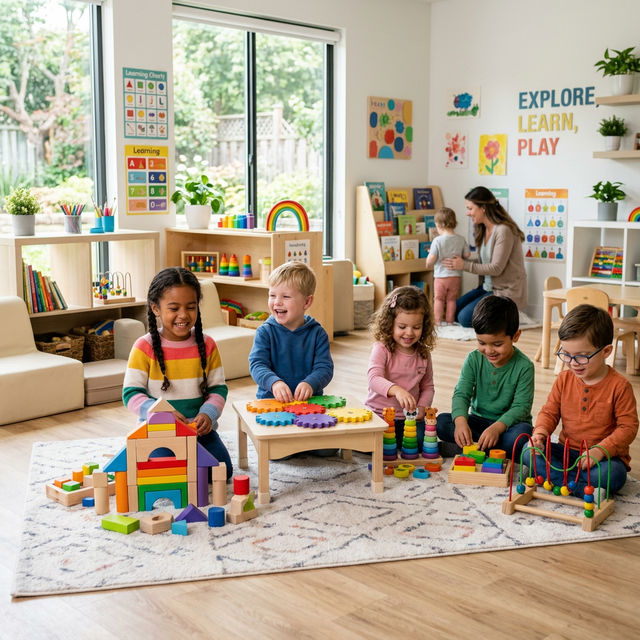
- Play-Based Learning: Encouraging exploration and creativity through hands-on activities.
- Parent Involvement: Keeping families informed and engaged in their child’s progress.
Final Thoughts: Embracing the Journey
The transition to pre-K is a significant step in your child’s life, and with the right preparation and support, it can be a joyful and enriching experience. By fostering independence, building social skills, and maintaining open communication with your child’s teacher, you’ll set the stage for a lifetime of learning and growth. At KIDazzle Child Care, we’re here to partner with you every step of the way, ensuring your child’s first school experience is nothing short of amazing.
Remember, every child is unique, and it’s okay if the transition takes time. Celebrate the small victories, and know that you’re laying the foundation for your child’s bright future.