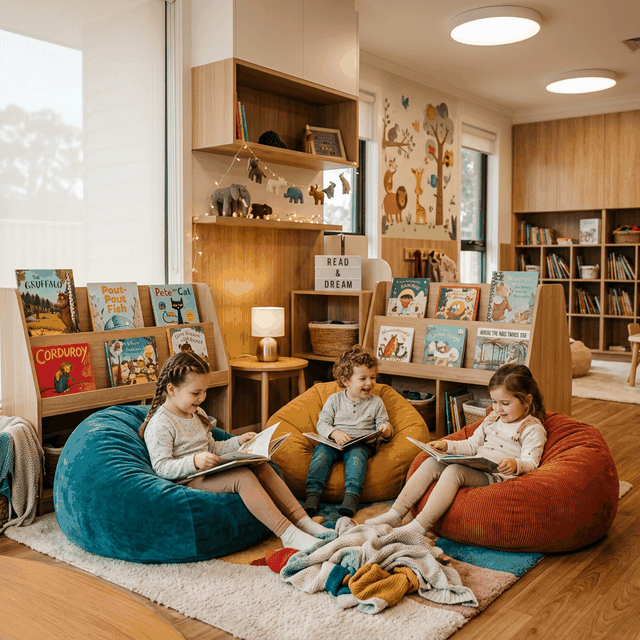
Curriculum and lesson plans
See how Teaching Strategies, classroom routines, teacher observations, and weekly plans turn play into learning.
View lesson snapshots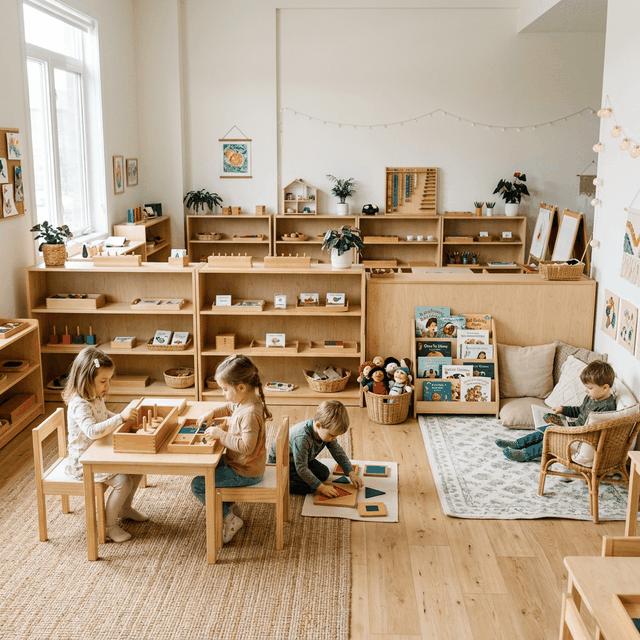
Start with one question, then follow the links into curriculum, classrooms, screenings, age guides, and lesson-plan snapshots. The goal is not pressure. The goal is helping parents understand what quality childcare can look like.
Every card links parents deeper into a specific part of childcare quality: curriculum, age groups, screening, classroom environment, family policies, and outside education sources.
See how Teaching Strategies, classroom routines, teacher observations, and weekly plans turn play into learning.
View lesson snapshots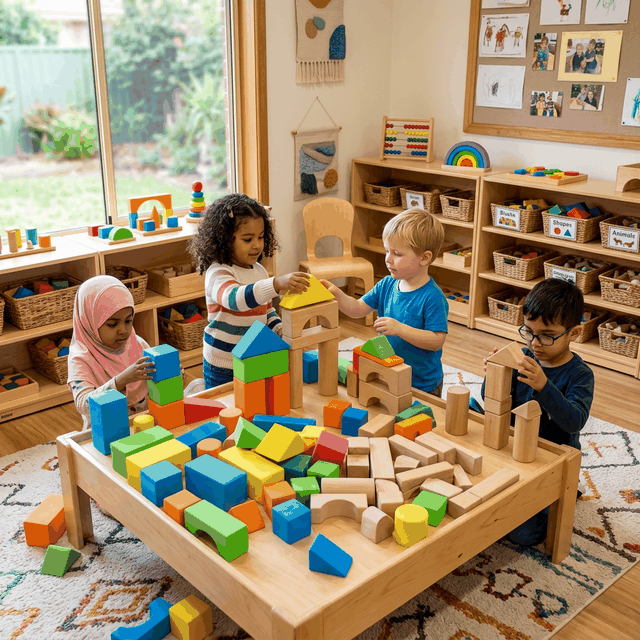
Each age group has a focused page section with questions parents can ask before choosing a childcare program.
Pick an age group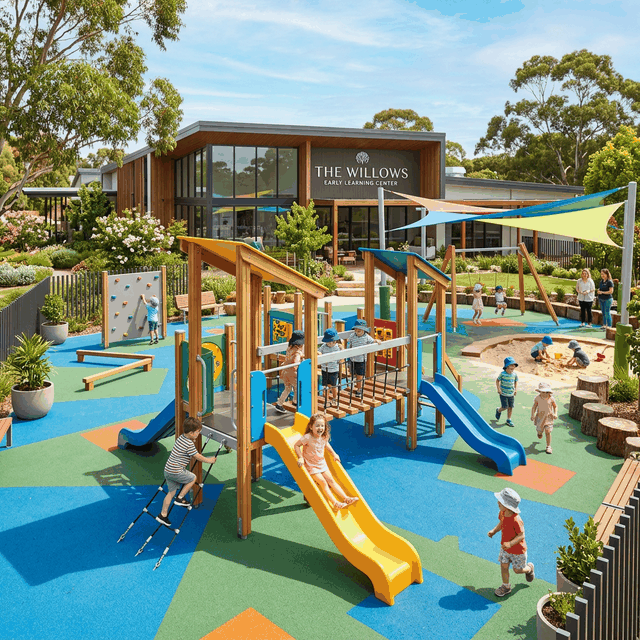
Learn the difference between a pretty room and an intentional learning environment with standards, routines, and safety practices.
Open quality linksWhen a program record has a lesson-plan file attached, this section pulls the newest plans first. If no file is attached yet, parents still see example pathways until the teacher-plan pipeline publishes new files.
Parents can pick the age of their child and get better questions to ask about the classroom, the teacher's role, and what learning looks like at that stage.
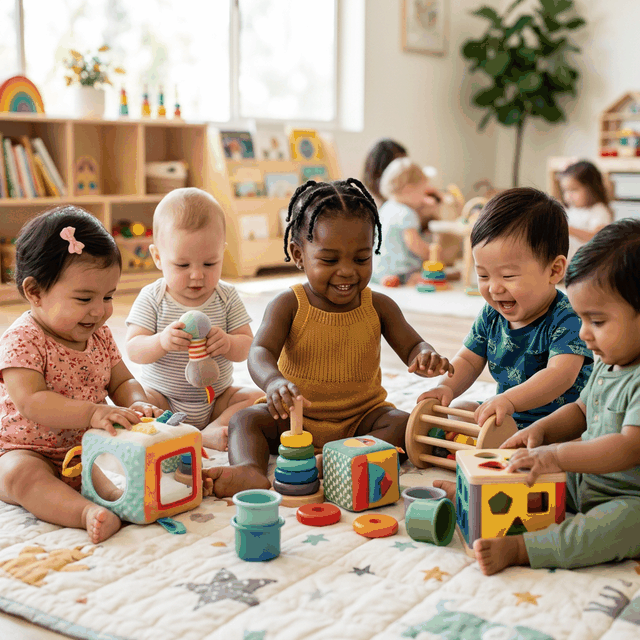
Responsive care, safe routines, language exposure, tummy time, and early trust.

Movement, naming objects, beginning routines, early independence, and parallel play.
Choices, social coaching, table toys, art, dramatic play, and safe classroom routines.
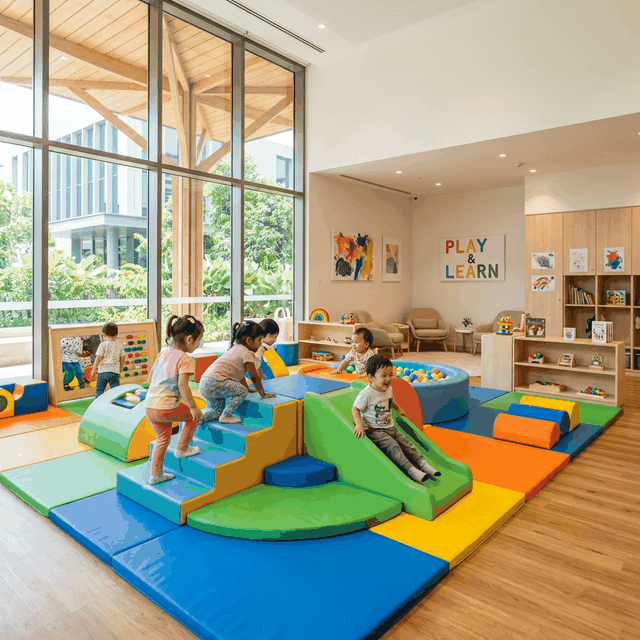
Longer attention, early problem solving, classroom jobs, and more independent routines.
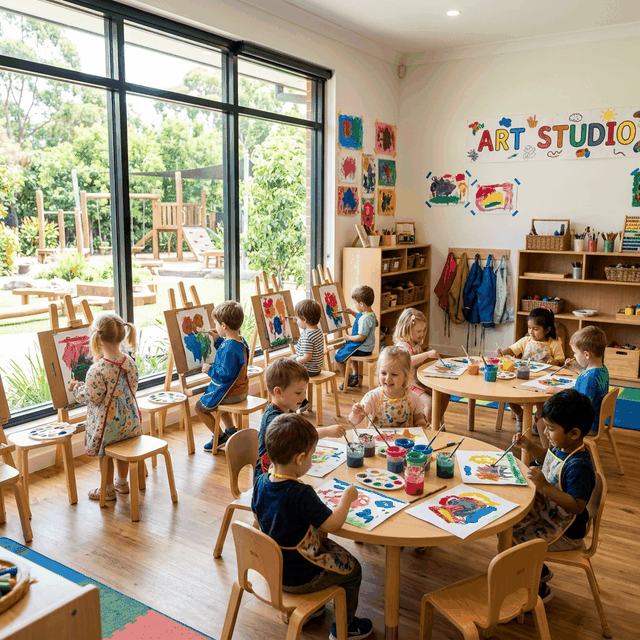
Dramatic play, art, small-group learning, cooperative play, self-help skills, and curiosity.

School readiness, early literacy, math language, social confidence, and classroom responsibility.

Projects, movement, friendship, field-style themes, creativity, and safe summer structure.
Responsive care, safe routines, language exposure, tummy time, and early trust.
Movement, naming objects, beginning routines, early independence, and parallel play.
Choices, social coaching, table toys, art, dramatic play, and safe classroom routines.
Longer attention, early problem solving, classroom jobs, and more independent routines.
Dramatic play, art, small-group learning, cooperative play, self-help skills, and curiosity.
School readiness, early literacy, math language, social confidence, and classroom responsibility.
Projects, movement, friendship, field-style themes, creativity, and safe summer structure.
This short survey helps parents decide whether to keep reading, ask a director, request tuition information, or schedule a tour. It also helps families self-select when a different care model may be better.
Answer the quick questions and this page will recommend whether to read an age guide, talk with a director, or schedule a tour.
These are the places a parent can use to keep learning. KIDazzle should be the helpful guide, while also pointing families to trusted outside sources.
A strong childcare program should be able to explain its curriculum, daily routines, teacher communication, health practices, classroom layout, developmental observation process, and how children practice independence through play.
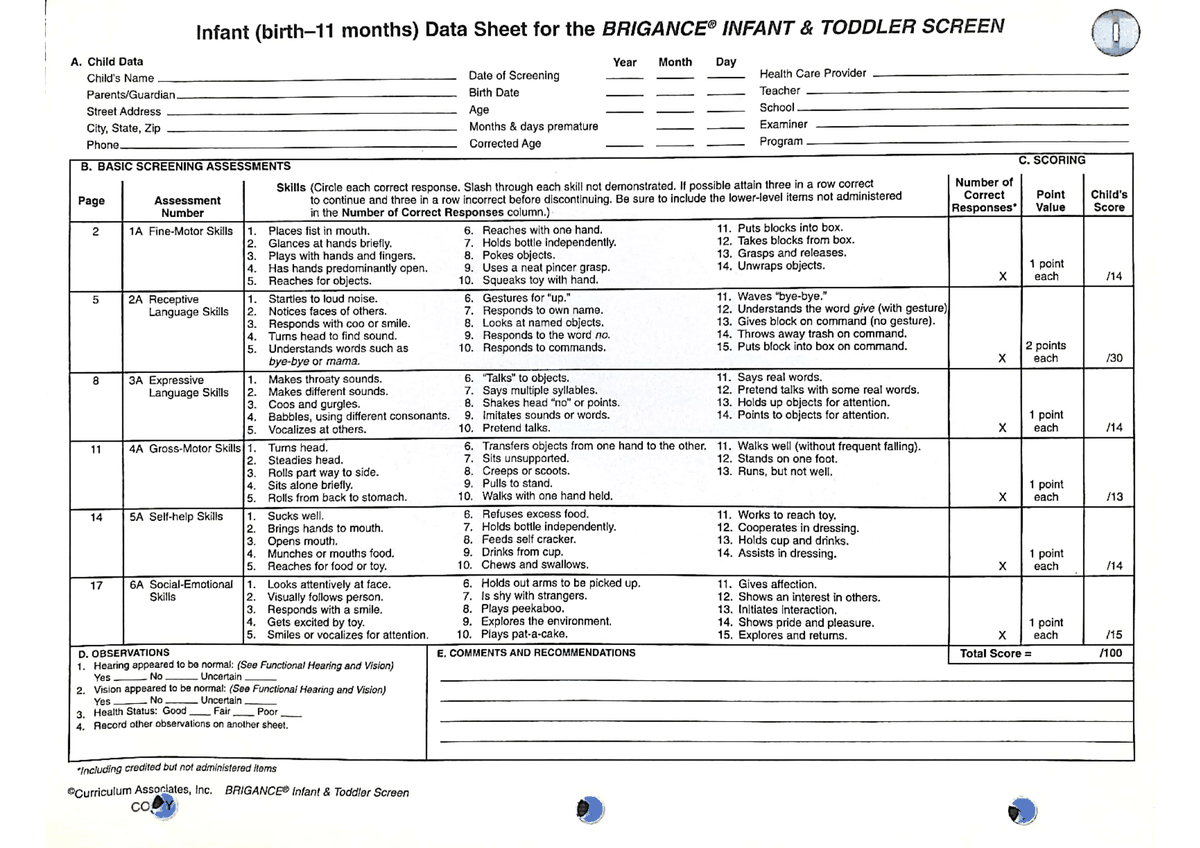
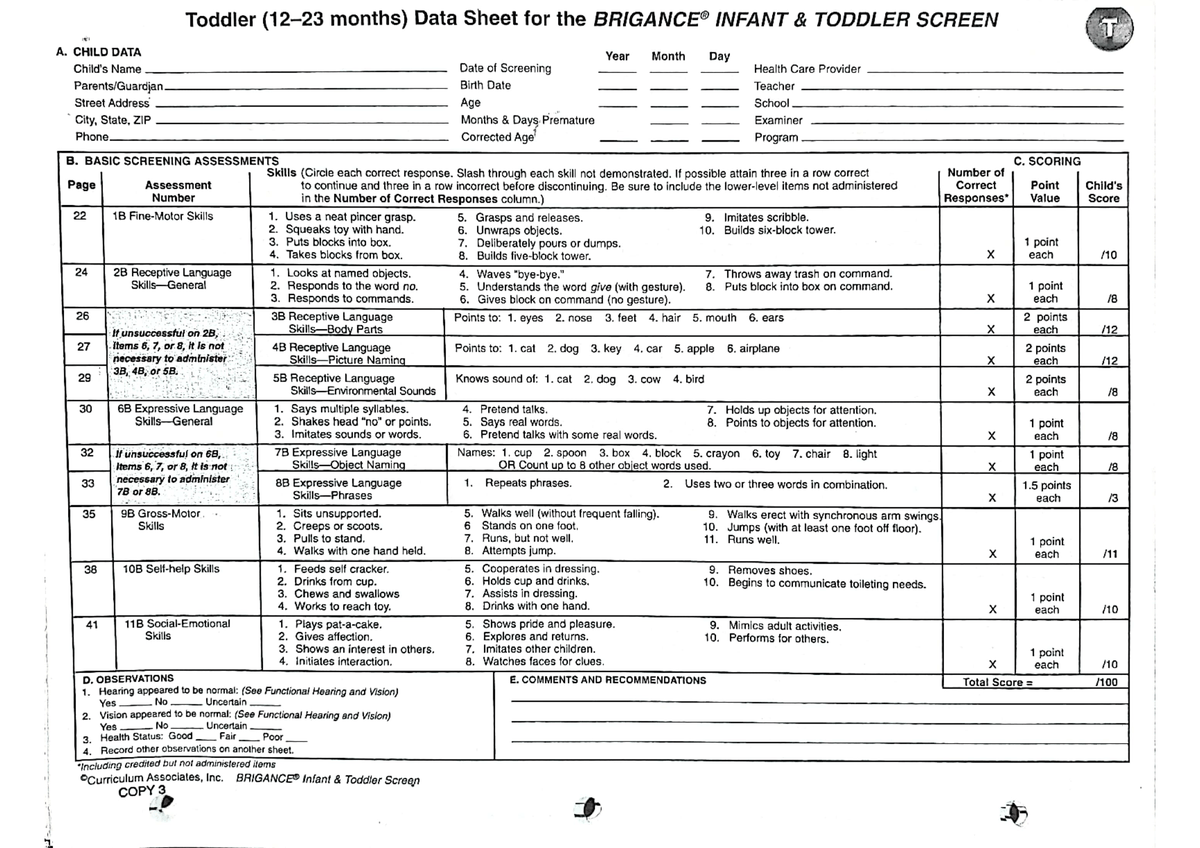
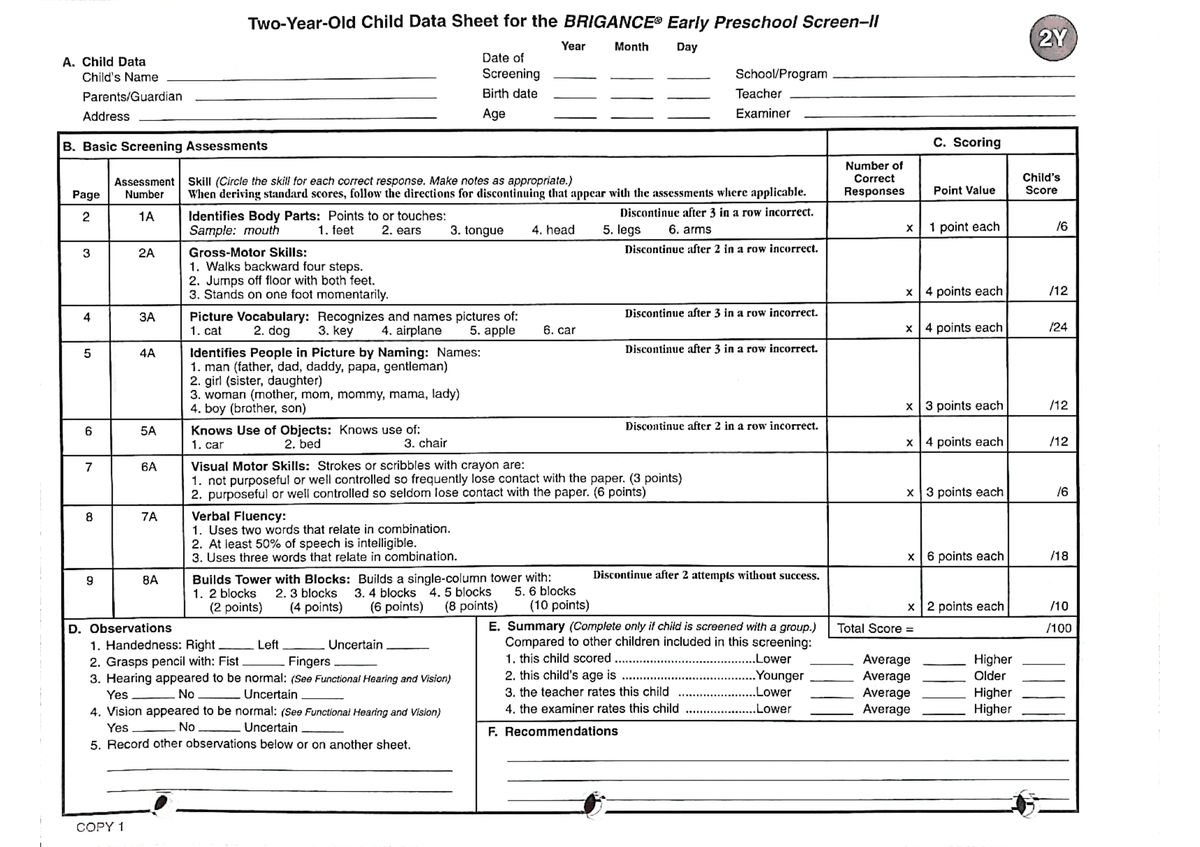
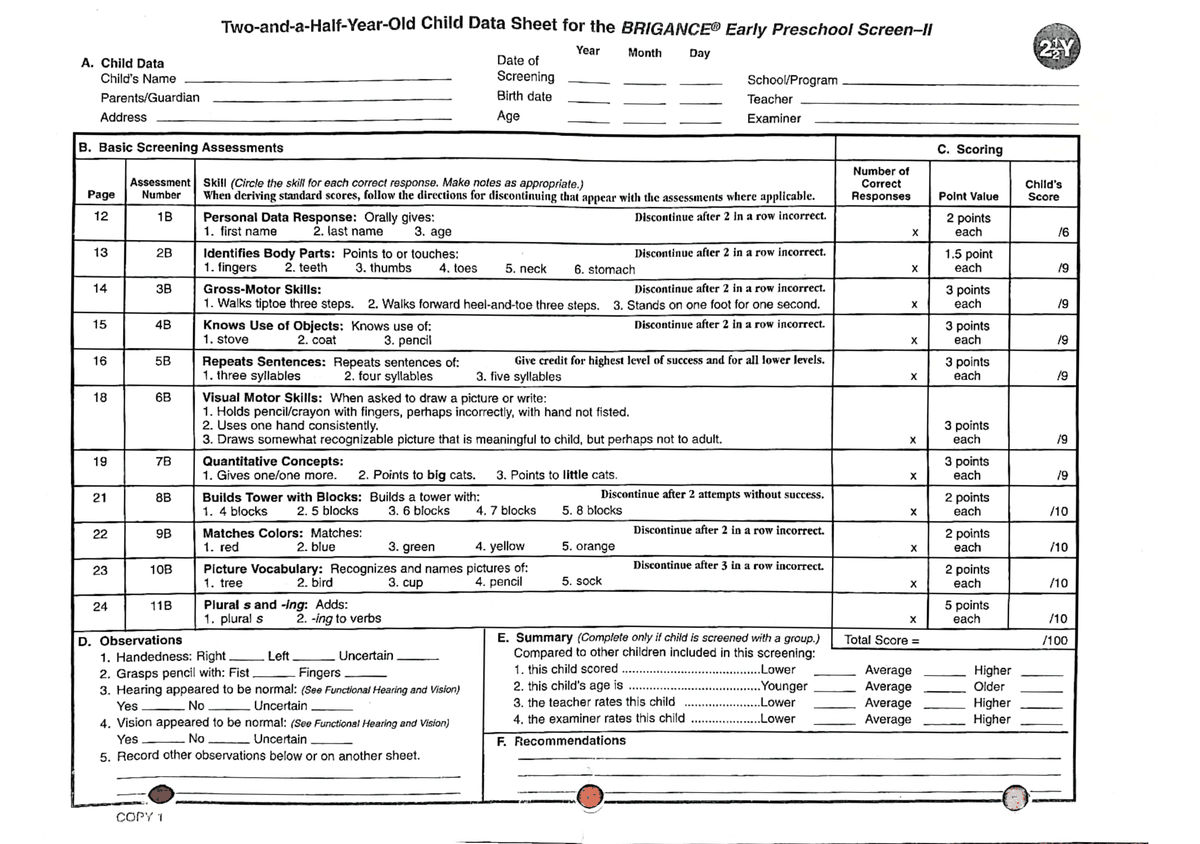
Read the curriculum pageThe Brigance links now point directly to the available image assets, so parents are not left clicking into a dead path.
Open the screening snapshot image.
View imageOpen the screening snapshot image.
View imageOpen the screening snapshot image.
View imageOpen the screening snapshot image.
View imageThis quick guide answers common parent questions from the page content, invites Spanish-speaking families to choose Spanish, and routes tour-ready parents toward the center team.
How do teachers plan the week? How are children observed? What does play teach? What happens if my child is sick? How do families get updates? What standards shape the classroom?
Ask the center directly